 Skip to content


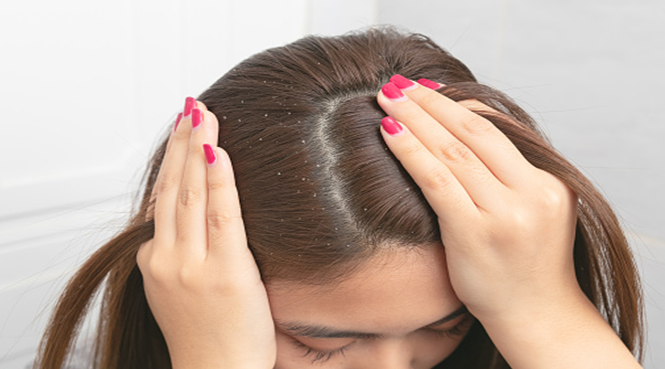
Dandruff is a common scalp condition that leads to flaking, itching, and irritation. It occurs due to multiple factors, including an oily scalp, dryness, fungal growth, or sensitivity to hair products. While it’s not a serious medical issue, it can be frustrating—especially when white flakes become visible on clothes or cause discomfort.
Given how annoying dandruff can be, many people search for instant solutions, hoping to remove it in just one wash. The truth is, while some remedies can provide quick relief by reducing scalp buildup and flakiness, completely eliminating dandruff in a single wash is unrealistic. Addressing the root cause requires a consistent, targeted approach.
At Traya, we believe in a holistic, science-backed solution that goes beyond surface-level fixes. While home remedies can offer temporary relief, a long-term dandruff-free scalp requires a combination of the right nutrition, scalp care, and personalized treatment. In this guide, we’ll look into both, quick remedies that can help control dandruff instantly and Traya’s holistic approach for lasting results.
Take Traya’s Free Hair Test Today!
What is the Main Cause of Dandruff?
Dandruff is one of the most common scalp concerns, affecting people of all ages. It appears as white or yellowish flakes on the scalp and hair, often accompanied by itching and irritation. But what exactly causes dandruff, and why does it keep coming back?
What Is Dandruff?
Dandruff is the shedding of dead skin cells from the scalp. While mild flaking is normal, excessive dandruff often results from underlying issues such as:
- Dry scalp: When the scalp lacks moisture, it becomes flaky and irritated.
- Fungal overgrowth: A yeast-like fungus called Malassezia feeds on scalp oils, leading to irritation and increased shedding of skin cells.
- Excess oil production: An overly oily scalp can trap dead skin cells, causing greasy flakes and buildup.
Types of Dandruff
- Dry dandruff: Small, white flakes that fall off easily, often caused by dry scalp or harsh shampoos.
- Oily dandruff: Sticky, yellowish flakes that cling to the scalp due to excess sebum and fungal growth.
Why Does Dandruff Keep Coming Back?
If you’ve tried multiple anti-dandruff shampoos or home remedies and still struggle with flakes, it’s because the root cause isn’t being addressed. Dandruff tends to be recurring due to:
- Poor scalp hygiene: Infrequent washing or product buildup can worsen dandruff.
- Overuse of harsh products: Strong shampoos strip natural oils, triggering excess oil production or dryness.
- Underlying scalp conditions: Issues like seborrheic dermatitis, eczema, or fungal infections often require targeted treatment.
How does Traya Help in Solving The Consistent Dandruff Issue?
Instead of temporary fixes, Traya focuses on finding and treating the root cause of dandruff. The Traya Hair Test analyzes your scalp health, oil levels, and internal factors like digestion and stress to create a personalized treatment plan. By addressing dandruff holistically—from diet to scalp care—Traya helps you achieve long-term relief, so that you are once and for all able to bid the dandruff goodbye!
Take Traya’s Free Hair Test Today!
Common Myths About Dandruff
You can’t fix a problem without understanding it first, right? The same goes for dandruff. Before we jump into the best ways to get rid of it, let’s take a closer look at what’s actually causing it.
|
Myth |
Reality |
|
Dandruff is caused by a dry scalp |
Not always. An oily scalp can also trigger dandruff due to fungal overgrowth. |
|
Dandruff can be removed in one wash |
A single wash may reduce flakes, but eliminating dandruff requires a holistic approach. |
|
More shampoo means faster dandruff relief |
Over-washing strips natural oils, disrupting scalp balance and worsening the issue. |
|
Oiling the scalp cures dandruff |
Excess oil can feed the fungus, making dandruff worse. |
|
Dandruff is just a cosmetic issue |
It’s often linked to internal health factors like stress, digestion, and diet. |
Fastest Ways to Remove Dandruff in One Wash (Temporary Relief)
If you’re looking for quick relief from dandruff, certain anti-dandruff shampoos and home remedies can help reduce flakes in just one wash. Please remember that while these solutions offer temporary results, they don’t address the root cause of dandruff:
Anti-Dandruff Shampoos
The right shampoo can make a big difference in controlling dandruff. Look for key ingredients like:
-
Ketoconazole – A powerful antifungal agent that targets dandruff-causing fungi.
-
Zinc Pyrithione – Helps control oil production and reduces flaking.
-
Salicylic Acid – Gently exfoliates the scalp to remove buildup.

Traya’s Anti-Dandruff Shampoo is a dermatologist-recommended formula that effectively fights dandruff while being gentle on the scalp. It helps eliminate fungal overgrowth, reduces itchiness, and prevents dandruff from coming back when used regularly.
Why Traya’s Anti-Dandruff Shampoo Works
Traya’s Ketoconazole Shampoo is designed to treat dandruff effectively with its 2% antifungal solution. Here's how it helps:
- Fights Dandruff-Causing Fungus: The shampoo targets and eliminates Malassezia furfur, the fungus responsible for dandruff.
- Prevents Recurrence: Regular use helps prevent the growth of fungus, reducing the chances of dandruff coming back.
- Soothes & Calms the Scalp: Infused with aloe vera, it reduces itching and irritation caused by dandruff.
This shampoo provides a solution for mild to moderate dandruff, improving scalp health and offering lasting relief with consistent use.
Proper Shampooing Technique for Maximum Effect
- Massage the shampoo into the scalp for at least 2–3 minutes to allow the active ingredients to work.
- Rinse thoroughly with lukewarm water (hot water can dry out the scalp).
- Use twice a week for best results, alternating with a mild, sulfate-free shampoo.
Take Traya’s Free Hair Test Today!
Top 5 DIY Dandruff Treatment at Home
Here are some of the home remedies that can definitely help in reducing dandruff if used consistently:
1. Onion Juice
Onion juice is rich in sulfur, which promotes healthy hair growth and fights infections that could worsen dandruff. Its antimicrobial and anti-inflammatory properties make it a powerful tool against dandruff caused by fungal diseases. It also improves blood circulation to the scalp, ensuring your hair follicles get the necessary nutrients.
-
Recipe: Blend one onion to extract the juice. Using a cotton ball, apply the juice directly to your scalp. Let it sit for 20-30 minutes before washing it off with a mild shampoo.
-
Tip: If the smell of onion juice is too strong, you can mix it with a few drops of essential oils like tea tree or lavender to mask the odor and add extra anti-dandruff benefits.
2. Apple Cider Vinegar
Apple cider vinegar (ACV) is a popular choice for dandruff due to its acidic properties, which help balance the scalp’s pH. This makes it difficult for yeast and fungi (which can cause dandruff) to thrive. ACV also clarifies the scalp, removing buildup that may clog hair follicles and contribute to dandruff.
-
Recipe: Mix equal parts of apple cider vinegar and water in a spray bottle. Spray the mixture onto your scalp, ensuring all areas are covered. Let it sit for about 15 minutes before rinsing with water.
-
Tip: For those wondering how to get rid of dandruff in 5 minutes, Apple cider vinegar is a quick and effective solution. While it may not entirely remove dandruff in one go, it will reduce itchiness and visible flakes quickly.
3. Curd
Curd, also known as yogurt (dahi), is a natural conditioner that not only soothes the scalp but also fights dandruff. Its lactic acid content helps exfoliate dead skin cells, and its moisturizing properties reduce dryness—a major cause of dandruff. Curd also cools the scalp, providing relief from itchiness.
-
Application: Apply plain curd generously to your scalp, focusing on areas with visible dandruff. Leave it on for 30 minutes and then rinse it off with lukewarm water, followed by a mild shampoo.
-
Tip: For added benefits, mix a little lemon juice with the curd before applying. This combination helps in fighting fungal infections while moisturizing the scalp.
Take Traya’s Free Hair Test Today!
4. Lemon Juice
Lemon juice is an excellent natural remedy for dandruff because of its high citric acid content. Citric acid helps break down dandruff-causing buildup, while lemon’s antibacterial properties help keep the scalp clean. If you're looking for how to remove dandruff from hair naturally, lemon juice can be a simple and effective solution.
-
Application: Squeeze fresh lemon juice into a bowl and apply it directly to your scalp with your fingers or a cotton ball. Let it sit for 10 minutes before rinsing it off with lukewarm water.
-
Tip: Be cautious when using lemon juice if you have cuts or abrasions on your scalp, as it may cause a burning sensation.
5. Tea Tree
Tea tree oil is an excellent natural remedy for dandruff due to its antifungal and antibacterial properties. It fights the overgrowth of Malassezia, the yeast responsible for dandruff, while soothing inflammation and reducing itchiness. Tea tree oil also promotes overall scalp health by clearing away buildup and excess oil that contribute to flakiness.
-
Application: Mix a few drops of tea tree oil with your regular shampoo, or dilute it with carrier oils like coconut or olive oil to avoid irritation.
-
Tip: Regular use helps in reducing dandruff over time.
Traya’s Holistic Approach to Treating Dandruff for Good
Unlike quick fixes that only offer temporary relief, Traya’s approach is all about long-term solutions that address the root causes of dandruff. By combining Ayurveda, Dermatology, and Nutrition, we work on balancing your scalp and internal health for lasting results. Here's how it works:
1. Ayurveda: Balancing the Doshas
In Ayurveda, dandruff is believed to stem from an imbalance in the Vata and Kapha doshas. Traya’s Ayurvedic herbs, like Neem and Bhringraj, help restore balance to your scalp, promoting overall scalp health and reducing dandruff naturally.
2. Dermatology: Targeted Scalp Treatment
Traya offers personalized shampoo recommendations based on your scalp condition. Along with dandruff-control serums and scalp cleansers, these treatments target fungal growth and build-up, tackling dandruff at the source.
3. Nutrition: Internal Health for Long-Term Relief
Did you know that gut health plays a role in dandruff? Traya’s Diet & Supplement Plan focuses on reducing internal inflammation and balancing scalp oil production, helping keep dandruff at bay from the inside out.
4. Traya’s Personalized Hair Test & Treatment Plan
Traya’s Free Hair Test helps us understand your unique scalp needs, allowing us to create a customized treatment plan that combines Ayurveda, Dermatology, and Nutrition.
This holistic approach targets dandruff from the root, offering you a more complete, lasting solution.
With Traya, you’re not just treating the symptoms of dandruff – you’re addressing the root cause for healthier, flake-free hair.
Take Traya’s Free Hair Test Today!
Step-by-Step Routine for Best Dandruff Control
To get the most effective dandruff control, follow this simple routine for lasting results:
-
Before Washing: Start with a scalp detox treatment, any scalp cleanser will work. It helps remove buildup, oils, and impurities, preparing your scalp for a deeper clean.
-
During Washing: Use a doctor-recommended anti-dandruff shampoo like Traya’s Ketoconazole Shampoo. This will target the fungus causing dandruff and soothe your scalp while keeping it clean.
-
After Washing: Apply Traya’s Scalp Serum for long-lasting dandruff protection. It helps maintain scalp health and prevents dandruff from coming back.
-
Diet & Lifestyle Changes: Support your scalp health by eating anti-inflammatory foods, staying hydrated, and managing stress. These factors all play a role in reducing dandruff over time.
By sticking to this routine, you can achieve a healthier scalp and long-term dandruff control.
Conclusion
While quick solutions can offer temporary relief, they won’t provide a permanent cure for dandruff. For lasting results, Traya’s 3-pillar approach—combining Ayurveda, Dermatology, and Nutrition—ensures long-term dandruff control and healthier scalp management.
Ready to take the first step toward a dandruff-free life? Take Traya’s Free Hair Test today and get a personalized treatment plan tailored to your needs.
People Also Ask
Q. Can I remove all dandruff in one wash?
You can reduce flakes temporarily with one wash, but long-term treatment is necessary for complete dandruff control.
Q. Does using more shampoo help?
No, over-washing strips your scalp of natural oils, which can worsen the issue and harm scalp health.
Q. How do I know if my dandruff is due to an internal issue?
If dandruff persists despite using anti-dandruff shampoos, it could be linked to internal factors like gut health, diet, or stress. Consider taking the Traya Hair Test for a comprehensive analysis.


Read More Blogs

How to Cure Dandruff Permanently: Best Treatments, Remedies & Tips
Dandruff can be annoying, embarrassing, and sometimes even itchy. Many people struggle ...

How to Remove Dandruff Fast: Natural & Effective Remedies
Dandruff can be frustrating; the constant flakes on your shoulders, the itching, and th...

Thyroid & Hair Fall: Understand the Connection & Take Action
Struggling with hair fall has been a very common occurrence nowadays. People of all age...

Postpartum Hair Loss: What’s Normal & What Needs Action?
Bringing a new life into the world is an incredible journey filled with joy, sleepless ...

PCOS & Hair Loss: Why It Happens and How to Treat It
Polycystic Ovarian Syndrome (PCOS) is a hormonal disorder that affects millions of wome...


