 Skip to content


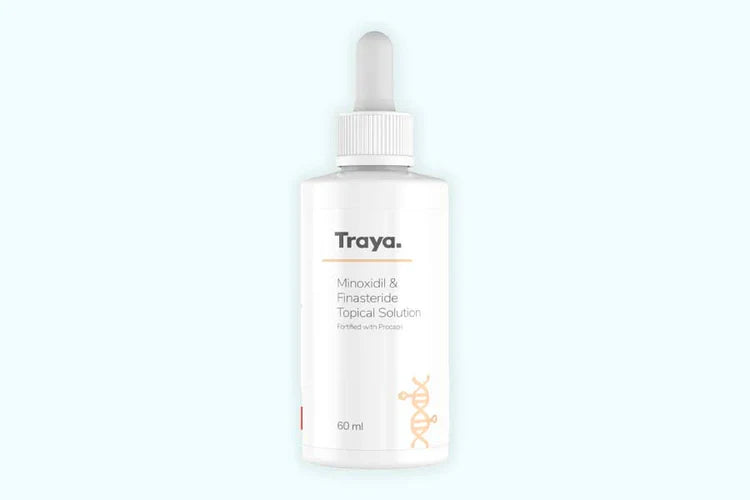
Both Procapil and Minoxidil are popular choices, but they work very differently. While Minoxidil focuses on widening blood vessels to improve follicle nourishment, Procapil strengthens hair anchoring and reduces follicle ageing. The choice largely depends on your hair concern — if your hair loss is hormonal (like androgenetic alopecia), Minoxidil is often preferred. But if you’re looking for a milder, preventive approach with fewer potential side effects, Procapil can be a good starting point.
Difference Between Procapil & Minoxidil
Minoxidil was firstly introduced for patients who suffered hypertension but physicians observed hair-growth in the bald patients which led to the creation of Minoxidil topical solution.
The topical solution is used to treat Androgenic Alopecia patients, patients who suffered hair thinning, basically hair-loss crisis.
Because Minoxidil shortens the hair-cycle phase which leads to Minoxidil shedding, it may confuse users that they are facing more hair-loss but in truth, the Minoxidil solution is working, it has few side effect but as per studies it has been suggested that if hair shedding continues for more than 4 weeks or if side effects such as scaling and itching persist, then the user should discontinue using Minoxidil solution.
Minoxidil solution being a clinically and FDA approved solution has been suggested and prescribed by Dermatologist to the patients who suffers hair-loss but in few rare cases, it may affect negatively so the user should use exactly the way it has been prescribed and if they feel side effect, they should visit their dermatologist, overall the solution is a saver for people who suffer hair-loss.
|
Solution |
Procapil |
Minoxidil |
|---|---|---|
|
Benefits |
Reduces hair thinning, Blocks DHT, Reduces hair loss, promotes scalp health, Improves hair texture. |
Improves blood circulation to hair follicles which helps in hair regrowth, Lengthens the anagen phase, provides nourishment to the hair follicles that leads to new hair growth, Prevents further hair loss, Effective for both men and women. |
| Side-effects |
Procapil comes from a natural ingredient so in general there’s no side effects but if the user faces any side effects, they should visit their dermatologist immediately. |
Minoxidil is generally considered safe but it has potential side effects such as scalp irritation, chest pain, headache and dizziness, weight gain, Blurred vision, nausea, vomiting, swollen face and facial hair. |
| Conclusion |
Procapil is popular for hair-loss treatment with no side-effects but it is not FDA approved and since there’s limited studies on this ingredient, it is not generally recommended by dermatologists. |
Minoxidil is FDA approved and is often prescribed by health professionals to the patients who suffer hair-loss, even Androgenetic alopecia and it has been effective for many users though it has side effects, it is not dangerous and can be used by both, women and men. |
Hair Loss has now become a common problem not only in the elderly but also in the youth and that too in both men and women. While the elderly would adapt themselves to the naturally occurring hair fall during old age, the youths find it difficult for themselves as they love to try out new hairstyles every single day. So, what's the way out for the youths suffering from hair fall? They look for treatments, mostly chemical medications in the name of minoxidil and procapil. These two are the most commonly used medications for hair growth. But what are these and how do they benefit your hair? To know who is at an upper edge among procapil vs minoxidil Traya is here yet again to solve all your queries regarding which treatment you should opt for to experience faster growth of hair. Here is a quick comparison between procapil vs minoxidil.
What is minoxidil? Minoxidil is a topical medication prescribed during androgenic alopecia or alopecia areata. Minoxidil shows stimulation in the hair growth process and a slower rate of balding. This is also known to be the vasodilator which means during the minoxidil medication process it helps in dilating the blood vessels allowing blood to flow throughout the veins. This improves the health of the scalp and provides proper nourishment to the hair follicles. This topical lotion is generally found in the form of a liquid and applied to the scalp. But it can also be used on your own as foam or pills for treating hair loss. Minoxidil for beard is also popular. Minoxidil has certain side effects and should not be used in any other parts of the body.
Procapil works at the level of the follicle by improving follicle structure and resilience, while Minoxidil enhances nutrient supply by improving blood flow. Another major difference lies in usage: Minoxidil requires ongoing use to maintain results, whereas Procapil’s benefits can continue for some time even after stopping, though ongoing use is still recommended for sustained results. Additionally, Minoxidil tends to show faster visible outcomes, typically within 3 to 4 months, whereas Procapil takes a steadier approach.
Both procapil and minoxidil are equally effective for faster hair growth, though there are some benefits and side effects listed for you to know more. Keep scrolling!
Also Read: A New & Improved Minoxidil for Quality Hair Growth
Benefits of Minoxidil for hair growth
Minoxidil has an added benefit of increasing the size of miniaturised hair follicles, helping them produce thicker strands over time. Some users also report reduced hair breakage due to improved follicle health. Regular application of Minoxidil maintains a better scalp environment, delaying further thinning, especially in hereditary hair loss cases.
Here are some benefits of this FDA approved topical hair loss treatment solution:-
- It helps in slowing down the loss of hair and results have been observed within four months in women and about two-four months in men.
- The minoxidil lotion provides nourishment to the hair follicles which helps in the growth of new hair.
- Minoxidil regenerates the circulation of blood improving your hair health.
- The hair growth cycle is improved as minoxidil lengthens the anagen phase.
- Minoxidil not only lowers the rate of hair loss but also yields thick hair.
Side Effects of Minoxidil (If you overuse it)
It’s also worth noting that improper application, like spreading Minoxidil to non-scalp areas or overuse, can lead to unwanted hair growth in other areas such as the forehead or face. Always apply strictly to the affected scalp areas and wash your hands after application to avoid accidental transfer.
In comparison among procapil vs minoxidil, Minoxidil has more side effects compared to procapil. Side effects of minoxidil are:-
- Irritation in the scalp.
- Experiencing chest pain.
- Change in hair color.
- A gain in weight.
- Headache and dizziness.
- Skin rashes, itching, acne.
- Blurred vision.
- Swollen face and facial hair.
- Nausea and Vomiting.
Benefits of Procapil for hair growth
Procapil also supports scalp health by improving oxygenation and hydration. Because of its natural formulation, it’s generally well-tolerated and can be paired with scalp massages for better absorption. For early-stage hair thinning or preventive care, Procapil offers a gentle yet effective approach to fortifying your hair’s natural defences.
Amidst the battle among procapil vs minoxidil, here are a few benefits of procapil:-
- Have you noticed the thinning of your hair? Well, hair thinning is the first sign of pattern baldness. This botanical solution of procapil protects your hair from thinning.
- Procapil reduces loss of hair and nourishes your hair strands providing the much-needed strength to your hair.
- Procapil helps to block the dihydrotestosterone hormone.
- As procapil increases the blood flow, it helps in increasing the growth of hair.
Side Effects of Procapil ( If you overuse it )
Although rare, some users may experience increased scalp sensitivity if they apply too much Procapil. To minimise any risk, it’s advisable to start with small quantities and gradually increase as tolerated. If you notice persistent discomfort or redness, discontinue use and consult a dermatologist.
Amidst procapil vs minoxidil, procapil rarely has any side effects. This is because of its composition with natural ingredients. But overuse of procapil might lead to a feeling of itchiness, nausea, and rashes. It would be best advised to consult with a doctor if you are experiencing adverse side effects of procapil.
Procapil Vs Minoxidil – Dermatologist Recommendation
Dermatologists often recommend Minoxidil for patients with progressive hair thinning because of its proven efficacy across various clinical studies. However, Procapil is gaining attention for its suitability in maintenance therapy and for individuals with sensitive scalps who prefer natural formulations. For optimal results, dermatologists may even suggest starting with Minoxidil for initial regrowth and then transitioning to Procapil for maintenance.
Both procapil and minoxidil are renowned treatments of hair regrowth. But it is always important to keep in mind if you are suffering from any other disease or going through other medications. Since procapil does not have any side effects as such, you can opt for it among procapil and minoxidil considering the pattern baldness stage you are presently in. So, is there anything that’s making you wait to start your treatment for achieving faster hair growth? Traya’s well-experienced dermatologists are waiting to solve all your doubts. Get your hair diagnosis done today as it becomes difficult in later stages!
FAQ’s
Is Procapil better than minoxidil?
If gone through dermatological tests, minoxidil is always having an upper hand over procapil. But it would be better to opt for procapil owing to its very rarely seen side effects.
Does procapil regrow hair?
Procapil improves the blood circulation in your scalp, rejuvenating and activating dead hair cells; thus helping in hair regrowth.
Can procapil be used with minoxidil?
Procapil and minoxidil would be better effective if treated separately. Whereas you can opt for any procapil hair serum and go forward with your minoxidil treatment. Traya’s suggestion would be not to mix them.
Does Procapil block DHT?
Yes, procapil helps in blocking DHT.
Can I switch from Minoxidil to Procapil without a break?
Yes, but it’s best to consult your doctor. Switching without a proper plan may lead to temporary shedding as your scalp adjusts.
Which is better for sensitive skin — Procapil or Minoxidil?
Procapil is generally considered milder and better suited for sensitive scalps due to its natural active ingredients.
Can these treatments be combined with lifestyle changes?
Absolutely. In fact, combining either treatment with a balanced diet, stress management, and scalp care enhances overall results.


Read More Blogs

Stop Grey Hair Using Ayurveda
4 min read

Hair Fall Treatment in India | Ayurvedic & Medical Care
Let me guess, you must be worried sick about the hair you saw on your pillow this morni...

Best Dermatological & Ayurvedic Hair Growth Serum In India
The best hair growth serum in India strikes a balance between plant-based Ayurvedic her...

How to prevent white hair, delay greying and hair loss due to scalp aging?
When people think about hair health, they often focus on strands—whether they are falli...

Minoxidil Results - Before and After | Results, Safety & Traya Plan
Minoxidil is a commonly prescribed treatment for hereditary hair loss because it is a n...


