 Skip to content


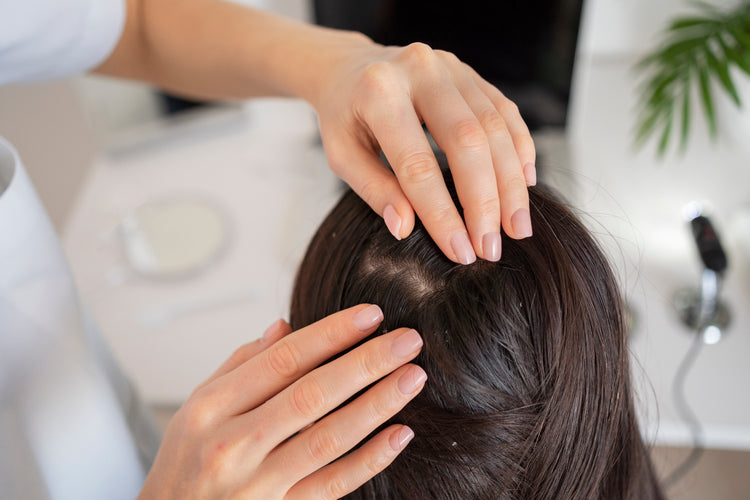
Dandruff can be frustrating; the constant flakes on your shoulders, the itching, and the discomfort it brings can affect both your confidence and your daily routine. Nearly half of the global population experiences it at some point, but that doesn’t mean you have to put up with it.
The most common dandruff causes are a dry scalp, an overgrowth of yeast, or buildup from styling products. When these issues are addressed at the source, flakes clear up faster, and they’re less likely to return.
The good news is that you can remove dandruff fast and safely. The key is knowing what’s really causing it and using the right combination of treatments to tackle the problem at its source.
The most common dandruff causes include a dry scalp, an overgrowth of yeast, and buildup from hair products. Once these are addressed, it becomes much easier to get rid of dandruff quickly and keep it from coming back. In this guide, you’ll find practical, evidence-based steps, from natural remedies to proven treatments, to help you clear flakes, calm irritation, and maintain a healthy scalp.
What Causes Dandruff? Understanding the Root Before Treating It
Dandruff is a complex scalp condition with multiple overlapping causes, and managing it effectively begins with understanding what is happening both in your body and on your scalp.
Some people might think that dandruff is caused by inadequate hygiene or dry skin, yet the condition actually results from a more intricate combination of influences. It involves the activity of microbes, microscopic organisms such as yeast, interacting with the natural oils of the scalp, the integrity of the skin barrier that protects and retains moisture, and various lifestyle factors.
There are two main forms of dandruff:
-
Dry dandruff: Small, white flakes linked to low sebum production, more common in cold or dry climates.
-
Oily dandruff (seborrheic dermatitis): Yellowish, sticky flakes often accompanied by redness and itching on a greasy scalp. This type is usually more persistent and often requires antifungal treatment.
Because dandruff rarely stems from a single cause, effective treatment focuses on three key goals: controlling yeast growth, balancing sebum production, and keeping the scalp’s skin healthy.
Key Factors in Dandruff Development
1. Overgrowth of Malassezia Yeast
Dandruff often develops when Malassezia yeast, which normally lives harmlessly on the scalp, starts growing in larger numbers. As it multiplies, it produces an enzyme called lipase that breaks down the scalp’s natural oils into free fatty acids, including one called oleic acid, which can be irritating.
For people whose skin is more reactive, these fatty acids can seep through the scalp’s outer layer and set off inflammation, speed up the shedding of skin cells, and lead to visible flakes. Research shows that dandruff causes problems not just because of how much yeast is present, but because some individuals are more sensitive to the substances this yeast produces.
2. Excess Sebum and Dead Skin Buildup
The sebum secreted by your scalp supports and lubricates the hair roots, and excess oil can create the perfect conditions under which Malassezia can flourish.
Research has identified two main types of dandruff: dry, which is linked to low sebum levels, and oily, which is linked to high sebum levels. In both cases, the scalp often shows reduced hydration, an altered pH balance, and lower levels of certain protective factors such as IL-8 and KLK5. These changes are particularly pronounced in oily scalps affected by dandruff.
An imbalance in oil, whether too little or too much, disrupts the scalp’s natural stability, leading to dandruff and an itchy scalp.
3. Scalp Barrier Damage from External Factors
The scalp’s protective barrier locks in moisture and shields against irritants. When this barrier is disrupted by harsh shampoos, heavy chemical styling products, pollution, hard water minerals, or frequent over-washing, it loses its ability to function properly. This damage leads to increased water loss through the skin, a rise in scalp pH, and inflammation.
These changes also disturb the scalp’s microbiome, the community of microorganisms that help keep it balanced, making it easier for Malassezia yeast to thrive. Even in scalps that are not naturally oily, this imbalance can trigger dandruff by creating an environment where yeast grows more readily.
4. Internal Triggers: Stress, Diet & Hormonal Imbalance
Chronic stress, poor nutrition, and hormonal shifts can all worsen dandruff. Elevated levels of cortisol, the body’s primary stress hormone, can interfere with the function of hair follicles. At the same time, deficiencies in nutrients such as vitamin B, zinc, and biotin weaken the scalp’s ability to repair its barrier and regulate sebum production.
Research has shown that psychological stress can directly affect how quickly scalp cells renew themselves and how much oil the scalp produces. Together, these effects make it easier for dandruff to develop and often lead to more visible flaking.
How to Remove Dandruff Fast at Home
Following a well-structured at-home program can help you get rid of dandruff quickly. With regular use, you may be able to see noticeable improvement within two to seven days.
1. Rinse Scale Free Scalp Daily using Anti-dandruff Shampoo
Start each day by applying a small amount of anti-dandruff shampoo containing ketoconazole, zinc pyrithione, or salicylic acid, and gently work it into the scalp. These active ingredients target Malassezia yeast and help shed excess skin cells.
Massage the shampoo into the scalp for two to three minutes before rinsing to ensure the active agents have enough contact time to work effectively.
2. Don’t Oil Until Flakes Have Disappeared
Although oiling is a traditional hair care method, when used on an active dandruff scalp, oils like coconut or mustard feed the fungus unknowingly and end up aggravating the irritation.
Wait until you see the flakes, and then think of applying non-comedogenic oils such as jojoba or argan oil. Apply to the ends of the hair and not on the scalp.
3. Apply Scalp Exfoliants 2x Per Week
On two non-consecutive days each week, for example, the third and fifth day, use a scalp exfoliant to gently remove dead skin. Over-the-counter scrubs containing salicylic acid or natural options like fenugreek paste work well.
Regular exfoliation unclogs follicles, boosts the effectiveness of other treatments, and helps maintain a healthy scalp environment.
4. End with an Antifungal, Cooling Rinse
After shampooing, finish with a gentle antifungal rinse to help remove dandruff fast and calm the scalp. You can use apple cider vinegar (AVC) to balance pH and fight yeast, neem water for its antifungal and soothing effects, or aloe vera gel to hydrate and reduce itching.
Why This Hair Care Routine Works
This approach tackles dandruff at its root by addressing yeast overgrowth, removing built-up dead skin, and calming scalp inflammation. It is effective yet gentle enough to be used every day.
Research shows that pairing an antifungal shampoo with regular exfoliation can bring visible improvements within days, helping to restore a balanced, healthy scalp environment.
Top Natural Remedies for Dandruff Relief
When it comes to home remedies for dandruff, you want to find something gentle on the scalp, along with scientifically proven efficacy, so you know your remedy will not only work, but will also keep your hair irritation- and rash-free.
The following five natural dandruff remedies are proven to be gentle in relieving your dandruff. Both address one or more dandruff causes, whether it is fungal overgrowth or inflammation, and work to balance out the scalp.
-
Apple Cider Vinegar (ACV) Rinse
How it helps: ACV can restore your scalp’s natural pH and exhibit antimicrobial effects. Many users claim to have smoother and less flaky scalps when they use it as a rinse.
Usage:
-
When using with water, mix at a ratio of three parts water to one part ACV
-
Use a cup or a spray bottle to apply the rinse after a shampoo
-
Leave it for 5-10 minutes and wash with cold water
-
Apply it once to three times a week
Patch test tip: Just apply a small amount on your forearm or near the back of your ear, and wait 24 hours. Stop at any sign of irritation.
-
Neem Water or Paste
How it helps: Neem (Azadirachta indica) has antifungal and anti-inflammatory components, such as nimbin and extracts rich in quercetin, which are best as a home remedy for dandruff.
A recent study showed that neem leaf paste significantly reduces dandruff severity. Additionally, lab research shows that extracts from neem bark and leaves can slow the growth of Malassezia yeast as effectively as ketoconazole.
Usage:
-
Neem leaves can be boiled, made into cubes, frozen or pounded into a paste
-
Massage the scalp for 30 minutes with the paste and wash
-
Use it two times a week
Patch test tip: Use a small sample on the inner arm; stop when you get a rash or irritant reaction.
-
Tea Tree Oil (Diluted)
How it helps: Tea tree oil is another most preferred home remedy for dandruff as it is characterized by a high level of terpinen‑4‑ol, which has confirmed antifungal and anti-inflammatory properties.
Clinical trials have shown that using a 5% tea tree oil shampoo can reduce scalp dandruff by 41% in four weeks, along with notable decreases in itching and greasiness, and no significant side effects.
Usage:
-
A few drops can be added to any of your normal shampoos or carrier oils
-
For mild dandruff, daily shampooing is recommended at first, then reduced to two or three times a week as symptoms improve
Patch test hint: Use a dilution of oil behind your ear or on your arm. If redness or stinging occurs, further dilute the oil or discontinue use.
-
Aloe Vera Gel
How it helps: Aloe vera contains cooling compounds that can soothe an inflamed scalp, reduce itching, and support skin hydration. While scientific studies are limited, reviews often highlight aloe’s positive effect on calming scalp irritation and reducing flaking.
Usage:
-
Use aloe vera gel on the scalp directly
-
Leave it on for 20–30 minutes, then rinse and shampoo
-
Apply up to twice a week
Patch test advice: Apply a small test to the inner side of your arm and stop using it in case irritation occurs.
-
Fenugreek Paste
How it helps: Fenugreek is rich in proteins, nicotinic acid, and anti-inflammatory flavonoids, which help soothe scalp irritation and reduce flaking. Its gentle exfoliating action helps prevent oil buildup (sebaceous congestion) and improves the penetration of other scalp treatments.
Usage:
-
Soak the seeds overnight, grind them into a paste, and apply to the scalp for 30–45 minutes before rinsing
-
Use weekly or every other week, depending on scalp sensitivity
Patch test tip: Perform a patch test 24 hours before applying to check for any signs of irritation.
Best Anti-Dandruff Ingredients to Look For
When you're looking for the right shampoo to remove dandruff fast and restore scalp comfort, the active ingredients matter far more than branding.
Here's a breakdown of the most effective anti-dandruff agents, supported by clinical evidence from peer‑reviewed research.

-
Ketoconazole (1 % or 2 %)
How it works: Ketoconazole is a very strong antifungal drug that directly targets Malassezia yeast. It disrupts the fungus’s cell membrane by blocking the production of ergosterol, an essential component for fungal growth, leading to reduced inflammation and healthier scalp conditions.
When to apply: Best suited for moderate to severe dandruff or seborrheic dermatitis. It is generally safe and well-tolerated, though it may dry out the hair, so pairing it with a gentle conditioner is recommended.
-
Zinc Pyrithione (ZPT; 0.5 %–2 %)
How it works: ZPT has both antifungal and antibacterial properties. It interferes with the energy production in fungal cells and blocks the lipase enzyme in Malassezia, reducing its ability to irritate the scalp. It also helps improve the skin barrier, improving the scalp’s resilience over time.
When to apply: Suitable for daily or regular use in mild to moderate dandruff. Often included in maintenance shampoos to help prevent recurrence.
-
Salicylic Acid
How it works: This gentle acid is a keratolytic exfoliating agent that is effective in shedding flaky dead skin cells, unclogging follicles. It is normally applied together with antifungal agents to promote penetration.
When to apply: Best for scalps with thick, stubborn flakes. Suitable for weekly exfoliation or as part of a two-in-one anti-dandruff shampoo.
-
Coal Tar (0.5 %–1 %)
How it works: Coal tar has antifungal, anti-itch, and skin-softening properties. It slows the rate of skin cell growth, making it especially useful for severe scalp conditions like stubborn seborrheic dermatitis and psoriasis.
When to apply: Recommended only for persistent, treatment-resistant cases where other therapies have failed. Should not be used routinely due to potential long-term side effects.
How to Prevent Dandruff from Coming Back
Getting rid of dandruff is simple, but preventing it from coming back is a whole other challenge. Using strategic scalp treatments, lifestyle changes, and the same habits, you will have the opportunity to have a healthy, flake-free head permanently.
This whole section is about how to treat dandruff and prevent it permanently.
1. Avoid Over‑Oiling the Scalp
Although oiling might help nourish dry hair, applying excess oil directly to the scalp area, particularly at times of active dandruff flaking, may aggravate fungal scaling. Another major factor in the formation of dandruff is the sebum buildup due to the feeding of the Malassezia and dead skin cells.
Tip: When your dandruff is cleared, remove lightweight oils (such as jojoba or argan) that should be used no more than once a week, only on the mids and ends of the hair and not the scalp.
2. Clean Scalp 2-3 times a Week Using a Stabilizing Shampoo
Regular washing removes excessive sebum, coupled with dead skin, and interferes with the fungal environment on the scalp. It is recommended daily or every 2-3 days wash of oily scalps using a delicate shampoo and palpate the scalp.
Tip: To keep natural oils, switch the anti-dandruff shampoo with a mild, pH-balanced shampoo in case your scalp is sensitive.
3. Exfoliate Once a Week
Malicious exfoliation cleans the scalp of its excess products, which enhances absorption of products and limits the build-up of flakes. Both clear skin and scalp care for dandruff emphasize it as a part of helping to protect the scalp.
Tip: Apply shampoos containing salicylic acid or home-made scrubs (oatmeal or fenugreek) once a week. However, an excess of it will lead to a reaction of the scalp, and this should not be more than twice a week.
4. Maintain a Scalp-Friendly Diet
An important role in the health of the scalp is silently played by nutrition. Research indicates that sugar, fried, and dairy foods trigger the soreness of seborrheic dermatitis and dandruff.
In the meantime, zinc, B vitamins, omega-3 essential fatty acids, and antioxidants improve the barrier on the scalp and minimize inflammation.
Tip: Eat leafy greens, nuts, oily fish (e.g., salmon), eggs, legumes, and seeds. You can also take an omega-3 supplement after consulting your doctor.
5. Use Clean Pillowcases and Hair Tools Regularly
Unwashed brushes, pillowcases, hats, and other hair accessories can hold onto flakes and fungal spores, reintroducing them to the scalp and triggering flare-ups. Regular cleaning is an important part of preventing dandruff from returning.
Tip: Pillowcases and scarves should be washed at least once a week, while combs and brushes can be soaked in warm, soapy water twice a month to keep them free of buildup.
6. Get Proper Sleep
Lack of sleep and ongoing stress can disrupt the hormone cortisol, which has a role in sebum production and overall scalp health. Restoring balance through adequate rest and stress management can reduce flare-ups. Activities like yoga, meditation, or even a simple walk outdoors can help regulate stress levels.
Hint: Try to get 7-8 hours of quality sleep and incorporate stress-mitigating habits into every day.
When to See a Dermatologist for Dandruff
Stubborn dandruff can be difficult to manage with home remedies or over-the-counter shampoos alone. Knowing when to get professional assistance can make a real difference in getting it under control.
1. Aggravated Symptoms During the Second-Third Week of the Treatment
If, after two to three weeks of following a consistent treatment plan, including medicated shampoo, gentle exfoliation, and supportive lifestyle changes, you still see no improvement or your symptoms worsen, it’s time to consult a dermatologist.
You should also seek medical advice if you have been using an anti-dandruff shampoo for a full month without results, as this may indicate an underlying condition or the need for stronger treatment.
2. Redness, Swelling, Bleeding, or Pus
When dandruff is accompanied by redness, swelling, bleeding, or pus, it’s a sign that inflammation has progressed beyond a simple scalp flaking issue. Conditions such as seborrheic dermatitis, folliculitis, scalp psoriasis, infection, or inflammation of the hair follicles can leave the scalp sore, tender, and in some cases bleeding when flakes are disturbed. Seborrheic dermatitis, for example, often appears as scaly, itchy, greasy patches, but when swelling or bleeding develops, it requires professional diagnosis and treatment.
3. Hair loss or Chronic Smell
If dandruff occurs alongside hair thinning, bald patches, or excessive shedding, it may be linked to underlying scalp conditions such as psoriasis, alopecia areata, or fungal folliculitis.
A persistent unpleasant odor, even after washing, can also indicate a bacterial or fungal infection. These symptoms point to issues that need expert evaluation and targeted medical care.
FAQs
1. Can dandruff be cured permanently?
Unfortunately, there's no one-time cure for dandruff. It is a chronic scalp condition influenced by factors like Malassezia overgrowth, sebum levels, and skin sensitivity.
However, with consistent use of antifungal or exfoliating treatments and maintaining healthy habits, most people can remove dandruff fast and keep it under control long-term.
2. Does oiling help or worsen dandruff?
Dandruff is usually aggravated by oiling. It forms a wet, greasy condition which promotes the growth of Malassezia. Heavy oils should be avoided when your scalp is currently dry, already flaking, or scratchy. You can only use light oils such as jojoba on the ends of your hair.
3. Which shampoo is best for removing dandruff fast?
The quickest way to remove dandruff is by using medicated anti-dandruff shampoos formulated with clinically proven ingredients such as ketoconazole, zinc pyrithione, or salicylic acid.
-
Ketoconazole (2%) is an antifungal that targets the yeast linked to dandruff and helps relieve symptoms.
-
Zinc pyrithione reduces fungal activity and inflammation, making it effective for both mild and severe cases.
-
Salicylic acid helps as a gentle exfoliant, helping remove flakes while improving the absorption of other active ingredients.
4. Can dandruff cause hair loss?
Dandruff on its own does not contribute directly to hair loss, yet scratching and inflammation may break the follicles, triggering temporary hair loss. Indirectly, dandruff causes hair loss. Conditions such as seborrheic dermatitis can lead to more severe consequences in the case of a lack of treatment.
5. Is dandruff contagious?
No. Dandruff isn’t contagious or infectious; it's linked to your scalp conditions like oil production, Malassezia levels, and skin sensitivity. You can’t ‘catch’ dandruff the way you catch a cold.
Always patch-test new treatments on a small area before applying them broadly. If symptoms persist beyond 4–6 weeks or worsen, revise your routine or consult a dermatologist.
Final Thoughts
You can remove dandruff fast with the right mix of targeted products, consistent scalp hygiene, and natural remedies. Quick fixes might make flakes disappear for a while, but lasting relief comes from addressing dandruff at its root cause.
At Traya, we follow a unique 3-science approach, blending Ayurveda, Dermatology, and Nutrition, to identify and treat the specific triggers behind your dandruff. This means your scalp care for dandruff isn’t just a one-time event, but a personalised routine that keeps your scalp clean, nourished, and free from irritation.
If you’re tired of the flakes coming back, start by finding out what’s really behind them. Take Traya’s hair test today and get a personalised plan that targets your dandruff at the root.
References:
- https://pubmed.ncbi.nlm.nih.gov/16382685/
- https://pubmed.ncbi.nlm.nih.gov/32757243/
- https://pubmed.ncbi.nlm.nih.gov/22515370/
- https://pubmed.ncbi.nlm.nih.gov/34415635/
- https://pubmed.ncbi.nlm.nih.gov/16382685/
- https://pubmed.ncbi.nlm.nih.gov/40242687/
- https://pmc.ncbi.nlm.nih.gov/articles/PMC10685248/
- https://pubmed.ncbi.nlm.nih.gov/12451368/
- https://pubmed.ncbi.nlm.nih.gov/23614401/
- https://www.mayoclinic.org/diseases-conditions/dandruff/diagnosis-treatment/drc-20353854?
- https://pubmed.ncbi.nlm.nih.gov/25822272/


Read More Blogs

Thyroid & Hair Fall: Understand the Connection & Take Action
Struggling with hair fall has been a very common occurrence nowadays. People of all age...

Postpartum Hair Loss: What’s Normal & What Needs Action?
Bringing a new life into the world is an incredible journey filled with joy, sleepless ...

PCOS & Hair Loss: Why It Happens and How to Treat It
Polycystic Ovarian Syndrome (PCOS) is a hormonal disorder that affects millions of wome...

How to Stop Stress-Related Hair Fall: A Complete Guide for a Healthy Lifestyle and Hair
Are you noticing more hair on your pillow, in your comb, or on the floor? While it’s no...

Treatment for Dry and Itchy Scalp: Causes, Remedies & Oils
Are you dealing with constant scalp itch, dryness, or flaking? Many people experience ...


